Licensed & insured Open today โ€” +1 000 000 0000
๐Ÿ“ž Call now

Section

Smart Traffic Infrastructures

AI-driven traffic systems and urban mobility solutions for cities and entertainment districts.

Incident detection algorithms in adaptive traffic systems

Incident detection algorithms in adaptive traffic systems

October 9, 2026

Automatic incident detection algorithms are the layer that turns raw sensor data into an actionable signal response. Understanding how they work is essential for any engineer specifying a modern adaptive traffic system.


Night-time signal timing: why dark hours need different plans

Night-time signal timing: why dark hours need different plans

October 4, 2026

Off-peak signal timing plans are often treated as an afterthought, yet the traffic conditions between midnight and 6 am are genuinely distinct. Getting night-time plans right has direct consequences for safety, freight efficiency, and emergency response.

Pedestrian scramble phases: when all-way crossings make sense

Pedestrian scramble phases: when all-way crossings make sense

September 29, 2026

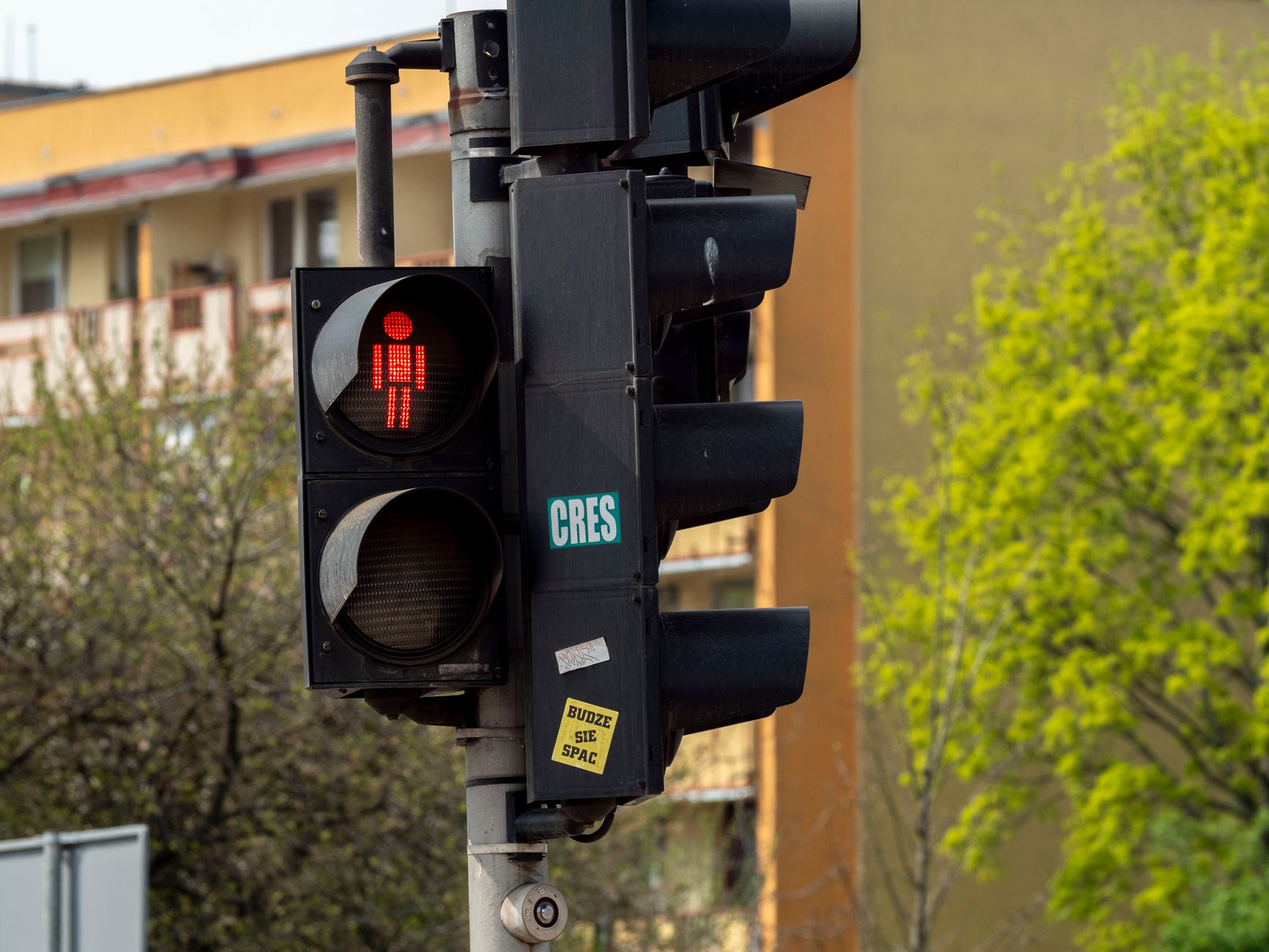
Pedestrian scramble phases halt all vehicle movements at once, giving pedestrians the entire intersection for diagonal and straight crossings. They're not right for every location, but in high-density urban cores they can deliver safety gains no conventional phasing achieves.

Wrong-way driver detection at signalised intersections

Wrong-way driver detection at signalised intersections

September 24, 2026

Wrong-way driving events are rare but catastrophic, and standard signal detection hardware wasn't designed to catch them. Here's how modern smart intersection systems identify contraflow movements in real time.

Bicycle detection at signalised intersections: how it works

Bicycle detection at signalised intersections: how it works

September 19, 2026

Cyclists are routinely under-served by intersection detection systems designed primarily for motor vehicles. Bicycle detection technology is closing that gap, with real implications for signal timing and road safety.

Saturation flow rate and its role in smart signal timing

Saturation flow rate and its role in smart signal timing

September 3, 2026

Saturation flow rate is one of the most consequential inputs in traffic signal timing, yet it's often treated as a fixed constant rather than a dynamic variable. Here's what engineers and transport authorities need to understand about it.

Connected vehicle data and traffic signal coordination

Connected vehicle data and traffic signal coordination

August 28, 2026

Connected vehicle data is moving from research programme to operational input for traffic signal systems. Understanding how that data reaches a signal controller changes how engineers approach coordination at the intersection level.

Transit signal priority: how buses and trams get a green light

Transit signal priority: how buses and trams get a green light

August 18, 2026

Transit signal priority gives buses and trams preferential green time at signalised intersections, cutting delays without dedicating separate rights-of-way. Understanding how it works helps engineers and planners deploy it where it counts.

Vehicle detection technology in smart traffic systems

Vehicle detection technology in smart traffic systems

July 20, 2026

Vehicle detection technology is the sensing layer that underpins adaptive signalling, congestion management, and smart intersection design. Understanding the options helps engineers and transport authorities specify the right solution for each site.

Smart intersection design: principles for modern urban roads

Smart intersection design: principles for modern urban roads

July 10, 2026

Smart intersection design brings together adaptive signalling, real-time sensing, and connected infrastructure to reduce conflict points and improve throughput. Getting the engineering fundamentals right from the outset determines how well the system performs under pressure.

Urban congestion reduction strategies that actually work

Urban congestion reduction strategies that actually work

July 4, 2026

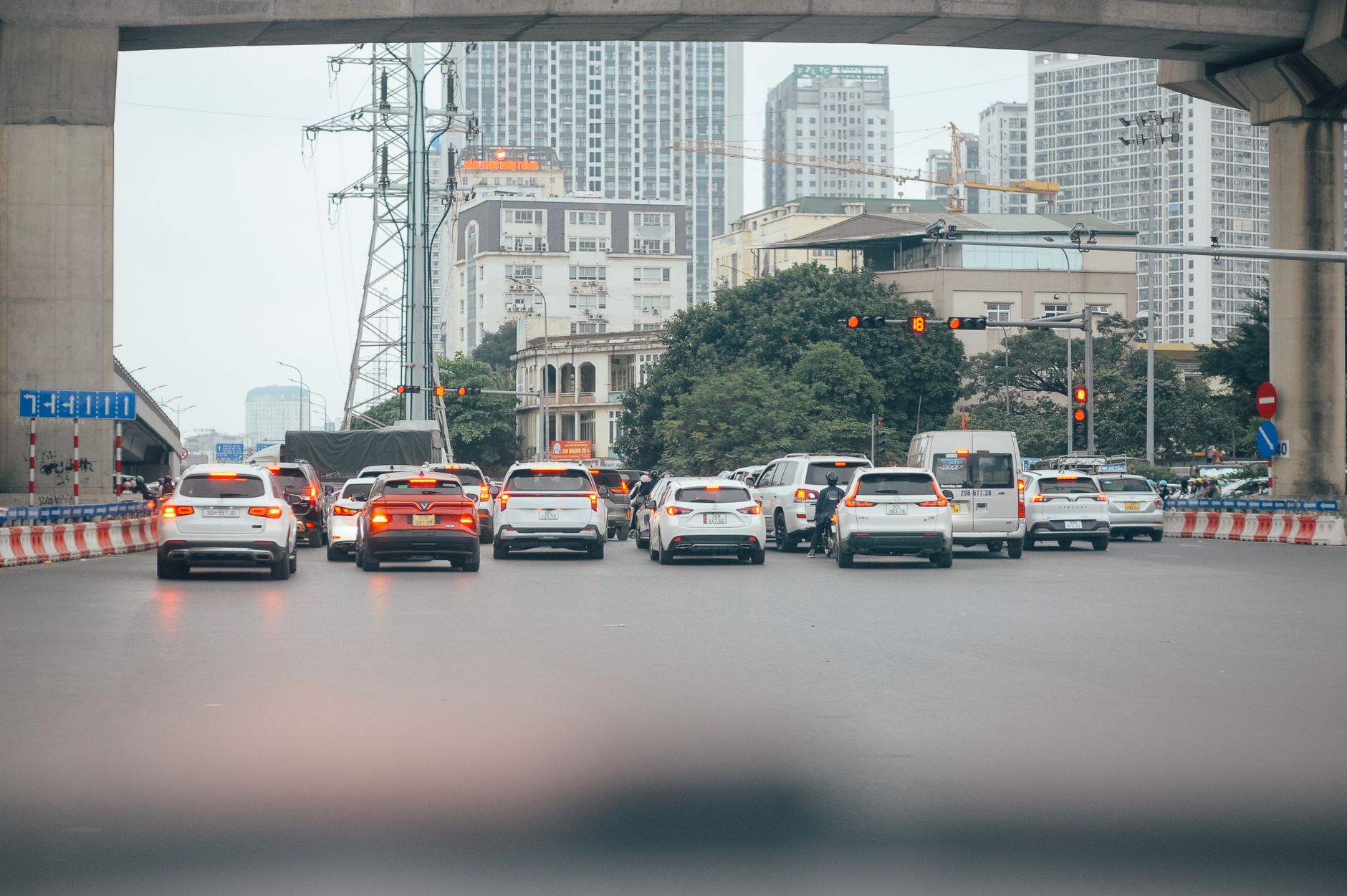
Urban congestion reduction is one of the most complex challenges facing transport authorities today. The most effective strategies combine adaptive signal control, real-time data, and coordinated infrastructure design.

AI traffic light optimisation: what it is and how it works

AI traffic light optimisation: what it is and how it works

June 12, 2026

AI traffic light optimisation is reshaping how cities manage congestion, moving well beyond fixed-time signal plans toward real-time, data-driven control. Here is what the technology actually involves and why it matters for Australian infrastructure.

Event traffic flow in Melbourne: managing the surge

Event traffic flow in Melbourne: managing the surge

June 12, 2026

Event traffic flow in Melbourne places some of the most concentrated and time-compressed demand of any Australian city on its road network. Purpose-built signal strategies and adaptive infrastructure make the difference between gridlock and an orderly dispersal.

How AI-driven traffic signal control works in practice

How AI-driven traffic signal control works in practice

June 12, 2026

AI-driven traffic signal control is moving from pilot project to mainstream infrastructure across Australian cities. Here is what engineers and transport authorities need to understand about how these systems actually function.