
Cyber-physical convergence describes the point at which digital control systems and physical infrastructure stop being two separate layers and become a single, tightly coupled system. In a conventional traffic network, a signal controller runs a timing plan and the road responds. In a cyber-physical network, sensors, signals, communications systems, and data platforms interact continuously, with each element affecting the state of the others in real time. That shift has direct consequences for how engineers design, procure, and maintain urban infrastructure across Australia.
What cyber-physical systems actually are
A cyber-physical system (CPS) is one in which computational processes directly monitor and control physical processes, and physical processes feed back into computational decisions. The loop is closed. Traffic signals are one of the clearest built examples: a vehicle detection sensor reads occupancy, that data reaches a controller, the controller adjusts phase timing, and the signal head changes state on the road. Nothing here is metaphorical. The digital output becomes a physical event within milliseconds.
The distinction matters because most traditional infrastructure is managed through open loops: a plan is written, the system executes it, and humans review outcomes later. Cyber-physical systems remove the human from the immediate feedback cycle. That creates efficiency gains. It also introduces failure modes that don't exist in open-loop systems, because a fault in the digital layer now has a direct physical consequence rather than a delayed or indirect one.
Bob Panich Traffic Signals designs and delivers traffic signal infrastructure that operates at this interface. Understanding how digital and physical systems couple together is central to producing reliable, compliant installations that perform under real-world conditions.
Where the convergence is happening now
Three convergence points are active across Australian urban environments in 2026.
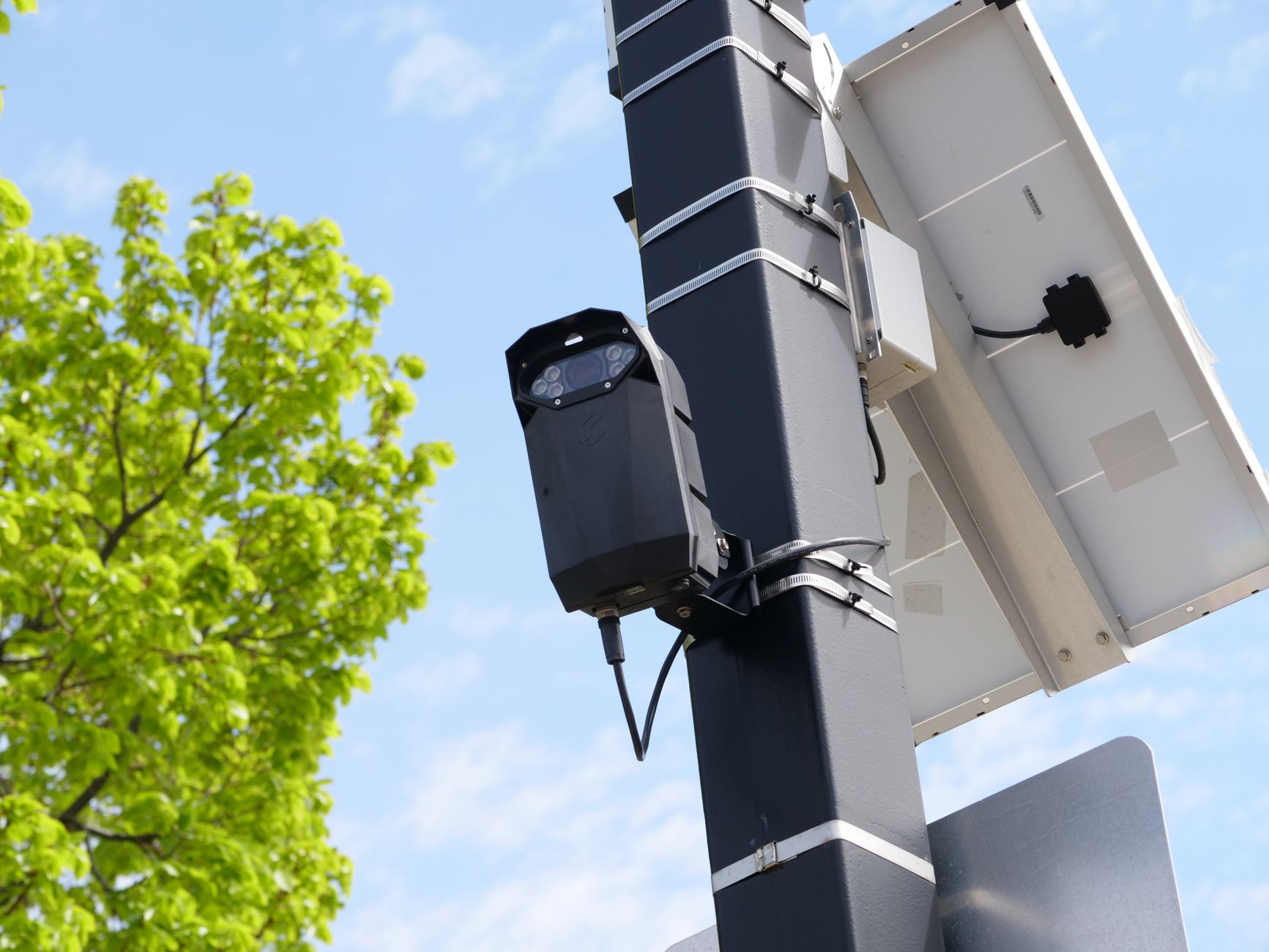
The first is intersection-level sensing and actuation. Vehicle detection loops, radar units, and camera-based sensors feed data into signal controllers that adjust phase timing without human input. The physical geometry of the intersection, the sensor placement, and the controller logic must all be designed as one system. A sensor positioned incorrectly produces bad data; bad data produces suboptimal phase timing; suboptimal timing increases rear-end collision risk at that location. The cyber and physical consequences are inseparable.
The second is network-wide coordination. Individual intersections linked through communications infrastructure share state data, allowing upstream signals to anticipate downstream demand. This is the operating model behind adaptive signal control, and it depends on the physical communications layer, typically fibre or 4G/5G radio, being as reliable as the signal hardware itself. A network that loses connectivity between nodes doesn't just slow down: it can fragment into isolated controllers running incompatible timing plans, creating conflict at corridor level rather than intersection level.
The third convergence point is data capture and system monitoring. Modern signal cabinets log operational data continuously. That data feeds maintenance decisions, audit trails, and performance reporting. As described in the detail on data logging in traffic signal cabinets, the records stored inside a cabinet underpin fault diagnosis and compliance verification. Losing that data layer doesn't stop the signals running, but it removes the evidence base that engineers and transport authorities rely on when something goes wrong.
The engineering implications of a closed loop
Closed-loop systems are more responsive than open-loop systems. They're also less forgiving of design errors, because faults propagate fast. Three engineering principles matter most when designing for cyber-physical convergence.
Fail-safe defaults must be unambiguous. When the digital layer fails, the physical layer must resolve to a known safe state without waiting for instruction. For traffic signals that means all-red, flashing yellow, or another predetermined mode that doesn't require the controller to be functional. The physical hardware must be capable of executing that state independently. This is the same principle behind fail-safe design in signal systems more broadly: the system's default behaviour under fault conditions is a design decision, not an accident.
The communications link is infrastructure, not a feature. Cyber-physical systems treat data connectivity as a structural component. An intersection that loses its network link reverts to local control. That's acceptable. An intersection that fails unpredictably because the communications hardware wasn't specified for the operating environment is a design fault. Specifying communications hardware to the same environmental standards as signal heads and controllers is a requirement, not an upgrade.
Latency has physical consequences. In a closed-loop system, the time between a sensor reading and a controller response matters. High latency in vehicle detection or communications can mean a phase change arrives too late to serve a detected queue, or too early to clear one. Designing for acceptable latency means specifying the full data path: sensor, cable or radio link, controller processing time, and actuation. Each element contributes to total loop delay.
How open standards support convergence
Cyber-physical convergence at city scale only works if systems from different vendors and different generations of technology can exchange data reliably. That requires open data standards. As covered in detail on open data standards in smart city infrastructure, interoperability between IoT platforms, signal controllers, and transport management systems depends on shared protocols and consistent data formats. Proprietary systems that can't communicate with adjacent infrastructure create islands: locally functional, but unable to contribute to or receive benefit from network-level optimisation.
Australian transport agencies have moved toward standards-based procurement for this reason. Specifying open interfaces at the design stage reduces vendor lock-in and makes future upgrades tractable. It also allows diagnostic tools from one vendor to read status data from another, which is a practical maintenance benefit that becomes significant over a system's operational life.
What this means for project delivery
Cyber-physical convergence changes the scope of what counts as "commissioning" a traffic signal system. Confirming that signal heads illuminate correctly and that timing plans load from the controller is necessary but not sufficient. A converged system requires verification of the full data loop: sensor reading, communications path, controller response, actuation timing, and data logging. Each element must be tested as part of a single system, not as individual components in sequence.
Bob Panich Traffic Signals approaches commissioning with this full-system perspective. Infrastructure that functions correctly at the component level but fails at the integration boundary isn't ready for handover. Identifying those boundaries early in design and building test criteria around them is the practice that produces reliable outcomes in converged environments.
The shift toward cyber-physical systems isn't a future direction for Australian urban infrastructure. It's the operating reality of every adaptive signal installation, every connected intersection, and every cabinet that logs data for remote monitoring. Engineering decisions made at the component level now carry network-level consequences, and that requires treating digital and physical design as a single discipline from the start.